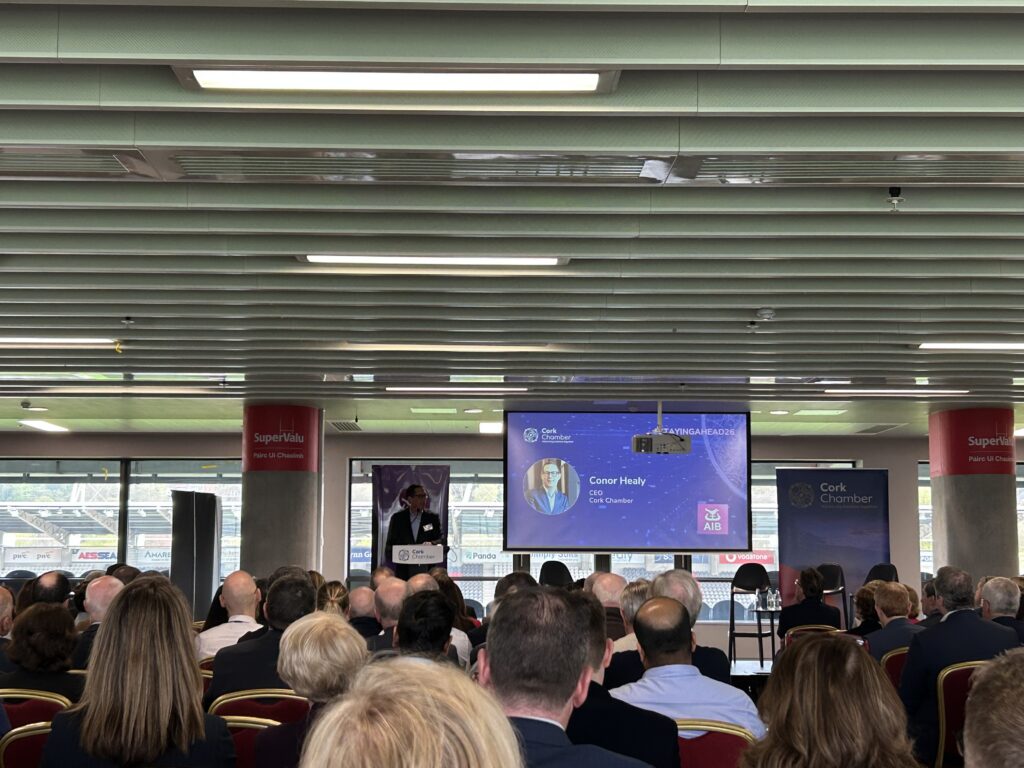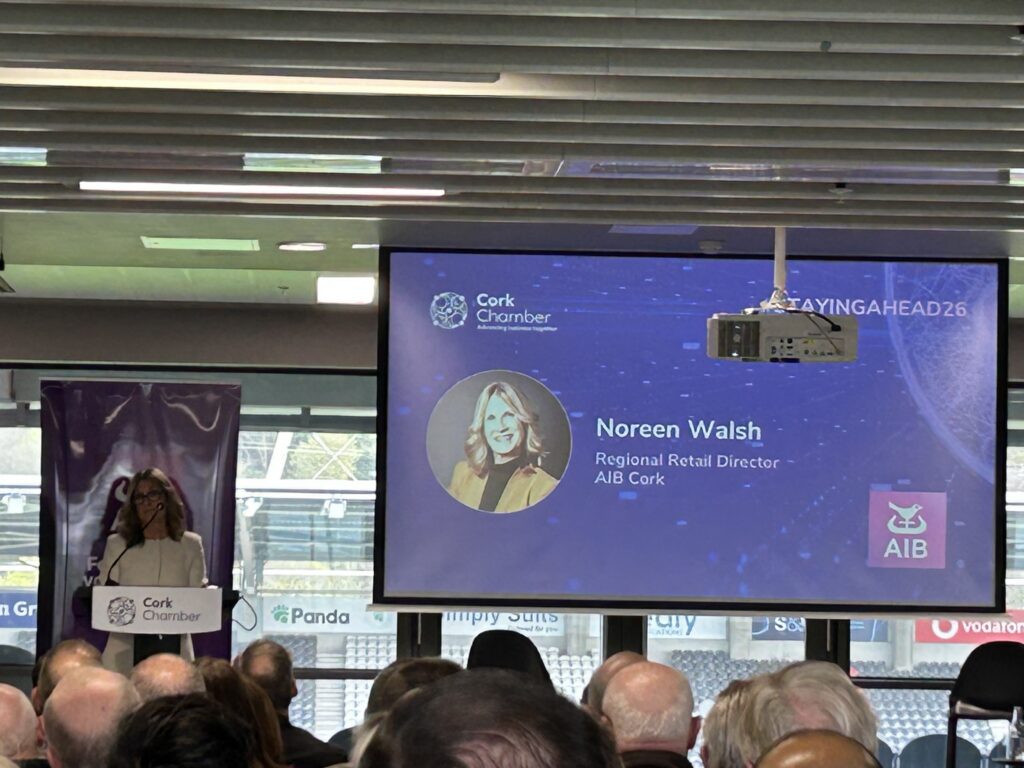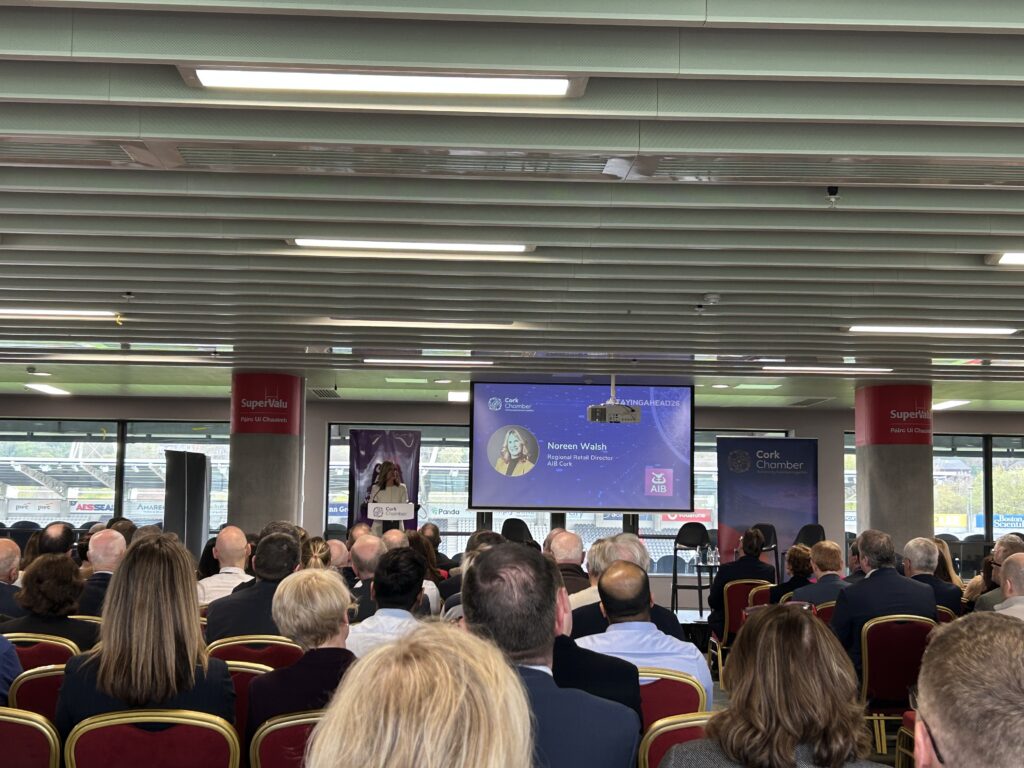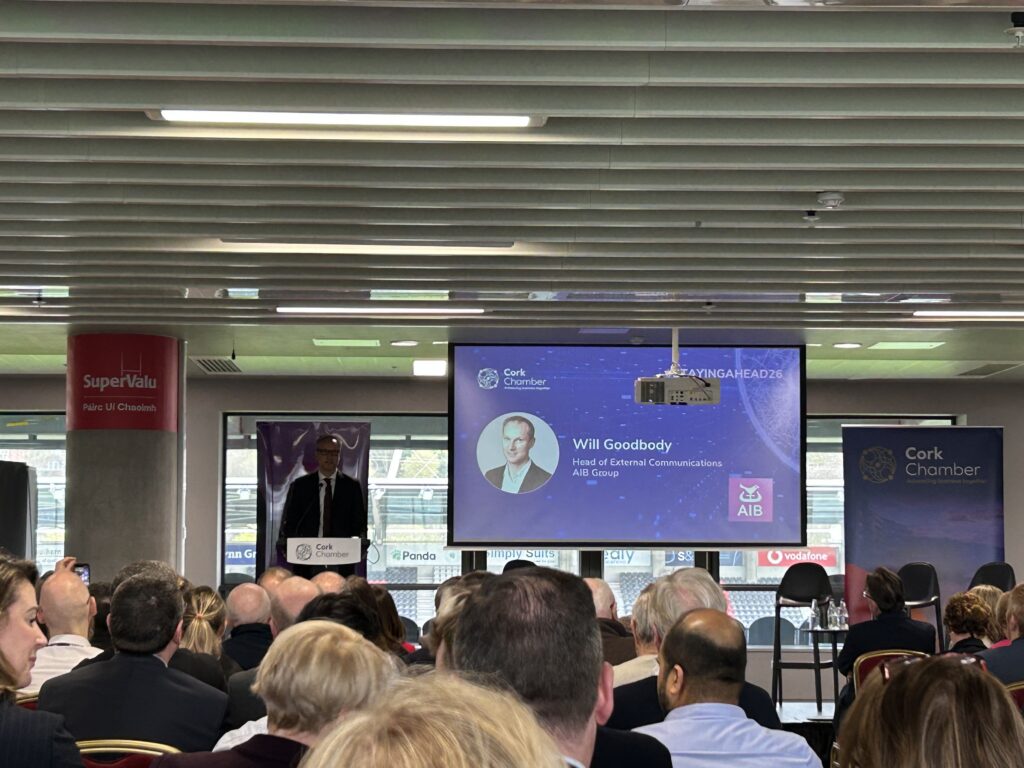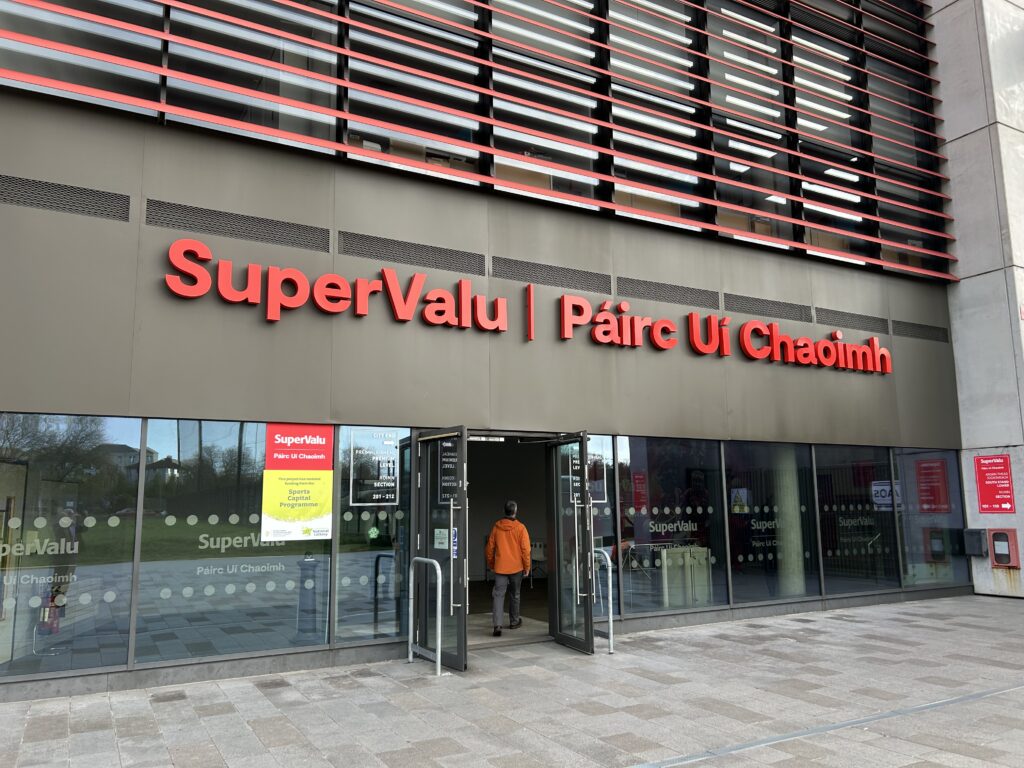

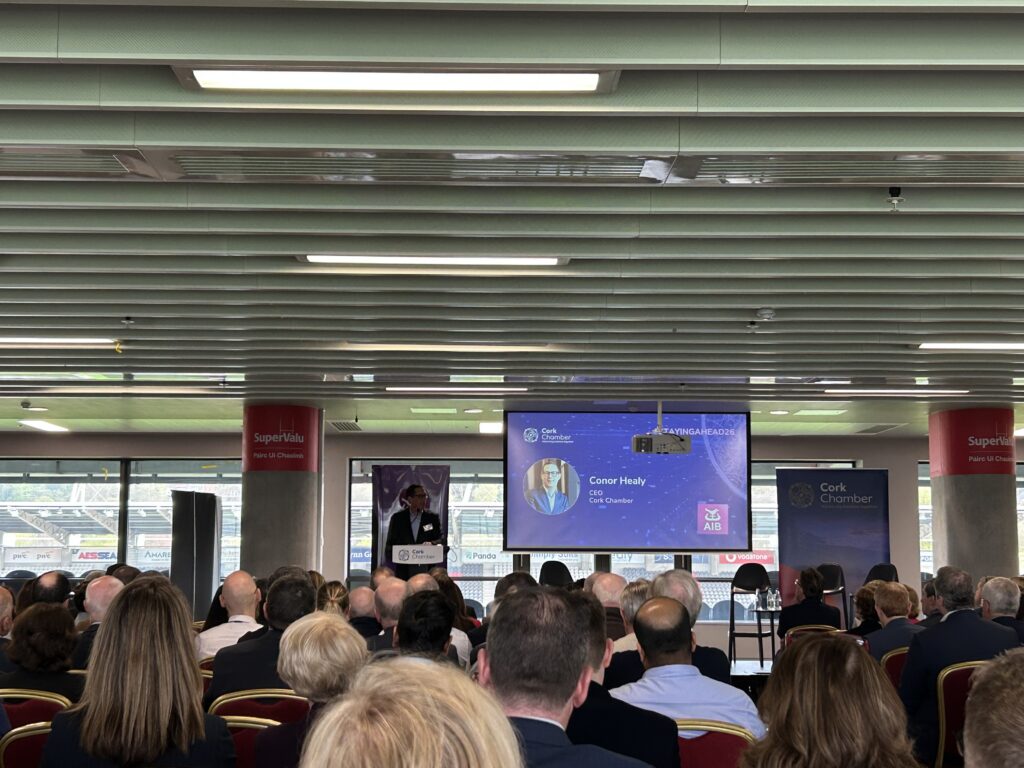
Cyber security for SMEs has become one of the most important business priorities as cybercrime and fraud continue to target businesses of all sizes. This morning at SuperValu Páirc Uí Chaoimh, business leaders from across Cork and the wider region gathered for a timely and practical discussion: how SMEs can stay ahead of cyber and fraud threats in an increasingly complex digital world.
Hosted by Cork Chamber in partnership with AIB, the event brought together experts from banking, law enforcement, cybersecurity, and academia to move the conversation away from fear and towards practical, achievable actions that businesses can take today.
At NexGen Cyber, we were delighted to attend and contribute to what was a powerful reminder of one clear truth:
Cybersecurity is no longer an IT issue, it is a core business risk.
Why Cyber Security for SMEs Is Now a Business Priority
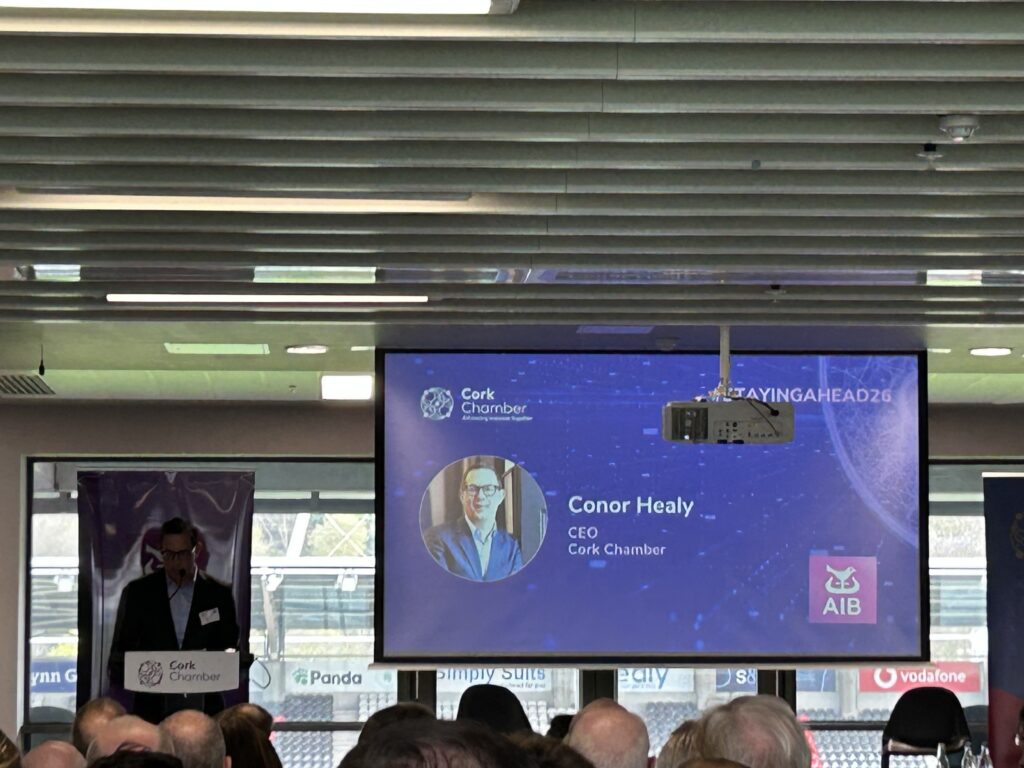
Opening the discussion, Conor Healy, CEO of Cork Chamber, set the scene by linking cyber resilience directly to regional competitiveness, investment, and digital growth.
Digital transformation is delivering productivity gains and new ways of working for Irish businesses, but it also introduces new dependencies and new risks. Cybersecurity, energy security, and operational resilience are now tightly interlinked.
This theme was echoed throughout the morning:
For SMEs, recovery measured in months instead of days can be existential.
Businesses are increasingly targeted because they are connected, to customers, suppliers, cloud platforms and digital partners.
A cyber incident doesn’t just disrupt systems; it disrupts trust, confidence, cash flow, and leadership time.
Why Irish SMEs Are Being Targeted
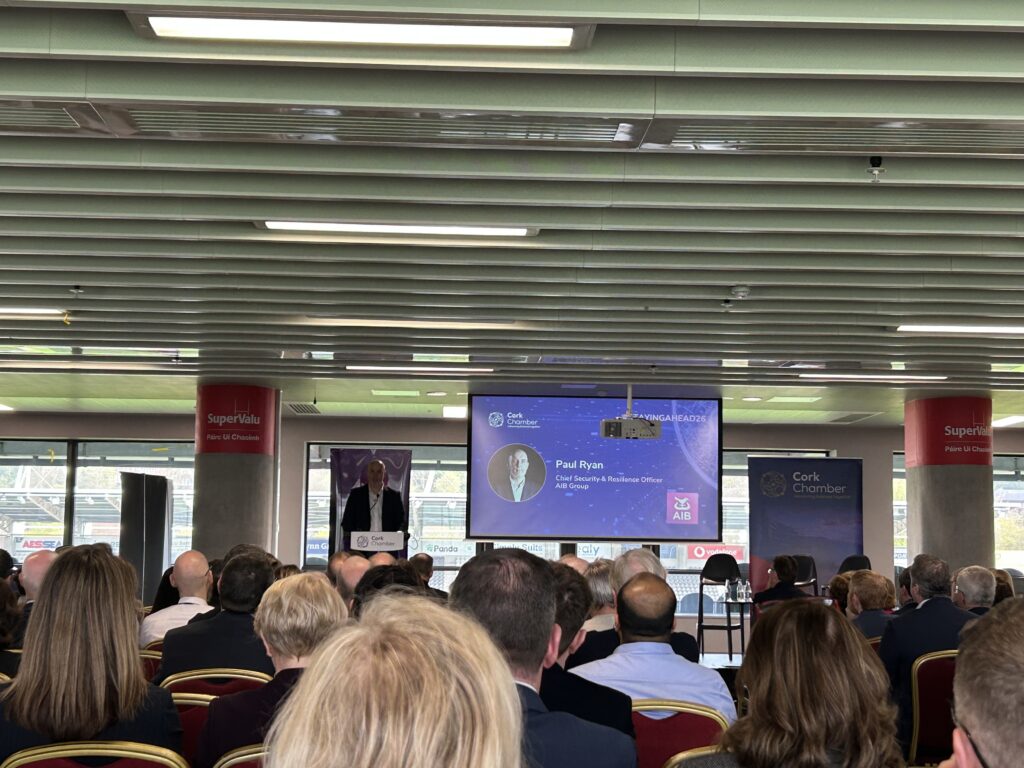
Paul Ryan, Chief Security & Resilience Officer at AIB, shared frontline insight from more than two decades in cyber defence and the picture is sobering:
- 80% of SMEs can expect to be targeted
- Threat actors are persistent, well‑resourced, and increasingly AI‑enabled
- The “speed to impact” is shrinking, attackers can sit undetected for weeks while mapping systems, suppliers and data
- Supply‑chain and trusted‑partner attacks are now a major concern, particularly in cloud‑dependent environments
Cybersecurity, Paul noted, now operates at the scale of a global economy, effectively the third‑largest economy in the world after the US and China.
The Growing Cost of Cyber Fraud for Irish Businesses
The financial impact of cyber‑enabled fraud was a key focus of the discussion.
Recent figures from FraudSMART and the Banking & Payments Federation Ireland show that Irish SMEs have lost almost €19 million to email‑related fraud over the past two years, with invoice redirection and CEO impersonation scams among the most common attack types.
As Garda Paul O’Riordan highlighted during the panel:
- Phishing is the number one attack vector
- Password reuse remains widespread
- Remote access and unpatched systems continue to expose businesses
- Many incidents go unreported, limiting the ability of law enforcement to act quickly
One case discussed involved a Cork business losing a seven‑figure sum to fraud, with recovery only possible because the incident was reported quickly and international law‑enforcement channels were activated.
People Are the Front Line of Cyber Defence
A recurring and important message throughout the morning was the need to change how we talk about people and cyber.
Rather than describing staff as the “weakest link”, speakers urged businesses to recognise employees as the last and most important line of defence. Effective cyber security for SMEs focuses on people, processes and preparedness.
Two simple but powerful “asks” stood out:
- Build a culture of curiosity
If something doesn’t feel right, pause, question it, and verify. - Take one or two practical actions back to your business
Not a 50‑page cyber strategy , but small, meaningful steps that reduce risk quickly.
Training, clear reporting paths, and leadership support make a measurable difference.
Practical Cyber Resilience Steps SMEs Can Take Today
The panel also highlighted accessible, Ireland‑focused supports already available to SMEs:
- CyberResilience.ie, used by over 900 businesses in the past nine months, helping organisations assess their cyber fundamentals and track improvement year‑on‑year
- Cyber Fundamentals, emerging as a baseline Irish operational standard with potential future certification
- NIST 2.0 and NCSC guidance, increasingly used to assess suppliers and third‑party risk
- European Digital Innovation Hub (led by MTU), providing applied cyber services and academic expertise to businesses
The message was clear: you don’t need to start from scratch, but you do need to start.
Detection: Spotting the Early Warning Signs
From NexGen Cyber’s perspective, the themes discussed align closely with what we see every day working with SMEs:
- Knowing your most critical business processes
- Being able to detect suspicious activity early
- Having a clear response plan when something goes wrong
- Ensuring you can recover in days, not months
- Using plain language, not technical jargon to guide decisions at board and management level
It’s okay not to “know cyber”. What matters is asking the right questions and taking proportionate action.
How NexGen Cyber Supports SMEs Across the UK & Ireland
From our experience working with UK and Irish businesses, cyber security for SMEs is no longer optional. At NexGen Cyber, we work alongside SMEs as a trusted partner, not just a technical supplier. We support SMEs through cyber resilience assessments, incident response planning and ongoing security governance.
We help businesses to:
- Understand their real cyber and fraud risks
- Build practical, business‑aligned cyber resilience programmes
- Prepare for regulatory change such as NIS2 and the Cyber Resilience Act
- Strengthen staff awareness without overwhelming them
- Respond quickly and confidently when incidents occur
Whether you are taking your first steps in cybersecurity or looking to mature an existing approach, support is available.
Turning Insight into Action
Cyber risk is not going away, but it can be managed.
Events like Staying Ahead: Cyber & Fraud Resilience for SMEs show that when business, banking, law enforcement and cybersecurity practitioners work together, practical progress is possible.
The most important step is the next one.
Need support strengthening your cyber resilience?
NexGen Cyber works with Irish SMEs to reduce cyber and fraud risk through practical, business‑focused security guidance.
👉 Talk to us about your next steps.
#StayingAhead26 #CorkChamber #SMEs